Hari Gopinath Das

Natural Spiritual

Hare Krishna !! Welcome to This site where we will discuss about Life , Philosophy of Gaudiya Vaishnava Teachers.Our Aim is not to displease anyone whatever we present is as per our understanding of the philosophy.Hope You will bless this humble endeavor of ours.Hari Bol !!

Hari Gopinath Das is a disciple of Radhanath Swami and a follower of Srila Prabhupada. He is dedicated to sharing the wisdom of the Gaudiya Vaishnava tradition. He has authored “108 Gaudiya Vaishnava Books: Drops of Devotion,” which aims to make foundational texts accessible, and “The Manual of Life – Gita: Tips and Tricks to Understand Srimad Bhagavad Gita,” which presents the Gita as a practical guide for modern life. He also wrote “Gita for Gen Z: Gita for Teenagers.” He has a YouTube channel named “Dr Hari Gopinath Das Official” where he shares spiritual discourses.

  • Navadvipa Bhava Taranga

    Lets Read Selected sections of this wonderful book by Srila Bhakti Vinoda Thakur Maharaj

    Thakura Bhaktivinoda composed three very important books regarding the transcendental realm of Sri Navadvipa Dhama –

    (1) Sri Navadvipa Dhama Mahatmya (Parikrama Khanda)

    (2) Sri Navadvipa Dhama Mahatmya (Pramana Khanda)

    (3) Sri Navadvipa Bhava Taranga

    The first book is used by many devotees from different branches of the Gaudiya Sampradaya to assist their performance of parikrama, or circumambulation of the holy places scattered over the 16 krosa (32 square miles) of this holy abode. The second book contains the scriptural evidence concerning the location and glorification of these holy places manifest in nine islands. And the third book (the present volume) is an astonishing and enchanting description of Sri Navadvipa Dhama as it appears to the bhava-siddha-nayana (eyes perfected in divine ecstatic emotion) when seen in the state of bhakti-voga-samadhi (absolute trance in devotional service). Although seemingly small in size (168 simple Bengali verses). the position of this work amongst the literatures of bhajana-giti (devotional songbooks) is very, very exalted. Upon reading it only once, a loving devotee will not be able to give it up it will necessarily be cultivated with a melted heart again and again

    Contrast between material and spiritual vision is nicely illustrated by the Thakura in the following verses:

    One whose eyes are covered by material illusion sees only a small house situated herec, plus some ordinary carth, water and a few articles. But if maya becomes merciful and lifts her covering, then one sees a grand spiritual dwelling. (11)

    Why should the fallen rascal souls of Kali-yuga, bound up tightly by material illusion, have the privilege of seeing all these eternal, fully spiritual and limitless treasures of the divine realm?

    Maya has therefore hidden the Dhama by means of the erosive, ever-changing nature of the three rivers Ganga, Yamuna, and Sarasvati. Thus the eves of the materialist can see only a shadow of the real Mavapur. (10)

    1 Which is the crest-jewel of all holy abodes, which is the sporting-ground of the sandhini potency, which measures sixteen krosa in circumference, which is manifest in nine islands, where the chit and ananda potencies reside, and w which is the sanctuary of all holy places, demigods, sages and scriptures – May the Dhama of Sri Navadvipa become visible to my eyes.

    2 May my eyes behold the sixteen krosa of Vrindavan (within the circle of Mathura-mandala) as identical to Navadvipa (within the circle of Gauda-mandala). These Dhamas are but two manifestations of one principle that is infinitely beginningless and purely spiritual, and which, only for reasons of differing pastimes of the Lord. has taken the form of two immaculate abodes.

    3 By His inconceivable potency (acintya saktı) which is infinite and spiritual. the Lord has brought these two Dhamas into the material world in order to liberate the living entities dwelling there. By the power of the mercy of this Sri Krishna. may the souls bound in matter someday see these abodes of Vrindavan and Navadvipa.Only by acquiring proper qualifications can all the senses of the living entities taste the spiritually variegated nectar of these holy Dhamas. Since unqualified material senses are incapable of tasting this sweet nectar those so unfortunately endowed scornfully deride these places again and again as being insignificant locations made only of dull matter.The basis of qualification is the mercy of Krishna Himself and the mercy of His devotees. Out of compassion for the living entities, the sadhus bestow this transcendental qualification unto other devotees by their own association. One cannot attain this by following the paths of jnana (transcendental knowledge).karma (fruitive activities) or yoga (mystic exercises). Only by means of sraddha (devotional faith), while strictly keeping the association of the saintly devotees of the Lord, can one be victorious over matter.The very moment that the living entity gives up the entangling network of material illusions related to the senses, the eyes of the soul will behold the splendour of the spiritual Dhama. Aha! Oh, when will I attain that state? When will I see Sri Navadvipa Dhama, so far beyond the mirage of mundane existence?

    7 Resembling an eight petalled lotus in shape, this abode is immaculately pure. It is so cooling that it defeats the illumination of millions of moons. It is so brilliant that it defeats the effulgence of millions of suns. Sometimes that Dhama will appear before my eyes.

    8 In the centre of eight islands that are like the eight petals of a lotus flower is the ninth and best island called Antar-dvipa, which is exceedingly beautiful. In the middle of that island rests the voga-pitha, or main meeting-place of the Lord and His associates, known as Mayapur. Upon seeing this place. I shall experience profuse bliss.The scriptures sing of a transcendental place called Brahmapur. In that realm. Mayapur shines before one’s eves freed from illusion. Identical with Sri Gokula in the forest of Mahavan of Braja, and vastly superior to all other places in creation that place is where the Son of Sachi performs His eternal pastimes.

    10 The abode of the gopas and gopis in Braja named Srin Gokula is the same as the abode of the brahmana families in Navadvipa Dhama. In the centre of supremely purifying Mayapur is the radiant home of Jagannatha Mhara. This is the eternal residence of the Lord.Whatever the Lord does is a cause of bliss. The Lord is completely independent and I am simply His humble servant. My tiny intelligence is naturally limited, and so I have no power whatsoever to judge His actions.

    92 All the inhabitants of Navadvipa who act as the Lord’s teachers are nourishes of His eternal pastimes: therefore they are worthy of my respects. All of you please show your compassion to me, a fallen and destitute person! Kindly bestow upon me the qualification for chanting nama-sankirtana.

    93 To the tirtha of Vidya Nagar I make this request – I pray that the ignorance which hides the truth of Lord Gaura’s pastimes may never cover my mind. With that veil lifted, may I always transcend and live far beyond the realm of mayas illusion

    165 This Bhaktivinoda, the servant of the servants of Lord Sri Krsna Caitanya, is begging for residence in Navadvipa Dhama. I am eager for the feet of Rupa Gosvami and Raghunatha Gosvami (Rupa Manjari and Rati Manjari), and from them I anxiously beg to achieve my own desired perfect spiritual body and service.

    100 O residents of Navadvipa, Vrindavan and Jagannatha Puri! Please establish me eternally in Isodyana, the abode of the Lord! That is certainly within your power. for this is also your abode. As my position is simply as a servant, only on the pretext of somehow assisting you in your service to Their Lordships will I be able to obtain residence in the Dhama.

    167 O Navadvipa Dhama. please shower me with your merey! Without your favour, how can anyone attain residence in the Lord’s holy abode? Please do not consider whether I am qualified or not. I am simply clinging to the instructions of Jahnava Ma and Nityananda Prabhu as the essence of my life.168 Whoever reads this Bhava Taranga with devotional faith will experience the nectar of the sportive pastimes of Gauranga arising in their minds. Sn Svarupa Damodara will certainly show them mercy accepting them as personal associates

    Jaya Navadvipa !! Jaya Srila Bhakti Vinoda Thakur Maharaj!!

  • Navadvipa-sataka 100 verses Glorifying Navadvipa

    Here we will discuss selected few !!

    Text 1

    navadvipe krsnam purata-ruciram bhāva-valitam mrdangadyair yantraih svajana-sahitam kirtana-param sadopásyam sarvaih kali-mala-haram bhakta-sukha-dam bhajāmas tam nityam śravana-mananādyārcana-vidhaunavadvipe-in Navadvipa, krsnam-Krsna: purata-as gold ruciram-splendid. bháva-valitam-overcome with ecstatic love, mrdanga-ādyair-beginning with mrdangas, yantraih-with musical instruments, svajana-sahitam-with His associates. kirtana-param-engaged in kirtana, sada-eternally upāsyam-to be worshiped. sarvaih-by all, kah-of Kali-yuga, mala-the impurities, haram-removing. bhakta-to the devotees: sukha-happiness, dam-giving. bhajamas-we worship, tam-Him. nityam-eternally sravana-hearing, manana-and meditating: adva-beginning with. arcana-vidhau-in the process of worship.By hearing of Him, meditating on Him and performing many other activities let us worship Lord Krsna who. His complexion now splendid as gold, overcome with ecstatic love, intently engaged in kirtana surrounded by His associates plaving mrdangas and other musical instruments worshiped by all removing the contamination of Kali-vuga and giving happiness to the devotees has now appeared in Navadvipa.

    Text 3

    (Antardvīpa)

    kadā navadvipa-vanāntaresv aham paribhraman gaura-kisoram adbhutammuda natantam nitaram sa-pārsadam parisphuran vīksya patāmi mürcchitahkada-when?, navadvipa-of Navadvipa: vana-forests; antaresu-in: aham-I paribhraman-wandering. gaura-kisoram-vouthful Lord Gaura: adbhutam-wonderful, muda-happily: natantam-dancing, nitarăm-greatly; sa-parsadam-with His associates: parisphuran-manifesting viksya-seeing, patamı-I will fall down. mürcchitah-unconscious.When, as I wander in Navadvipa s forests, will I fall uncosnscious as I suddenly see wonderful youthful Lord Gaura jubilantly dancing with His associates?

    Text 5

    alam alam iha yosid-gardabhi-sanga-rangair alam alam iha vittäpatya-vidyā-yaśobhih alam alam iha nānā-sādhanāyāsa-duhkhair bhavatu bhavatu cântardvipam āśritya dhanyähalam-enough!, alam-enough!; iha-here, yosid-of women, gardabhi-of the she-asses: sanga-of the company, rangair-with the happinesses, alam-enough!: alam-enough!: iha-here: vitta-with wealth: apatya-children, vidyā-knowledge: yasobhih-and fame: alam-enough!: alam-enough!: iha-here, nånä-with various, sádhana-of spiritual practicies, āyāsa-of the endeavors: duhkhair-with the sufferings, bhavatu-become: bhavatu-become; ca-and: antardvipam-of Antardvipa, āśritya-having taken shelter: dhanyah-fortunate.

    Enough! Enough with the happiness of staying among women she-asses! Enough! Enough with wealth, children, scholarship, and fame! Enough! Enough with the troubles of many kinds of spiritual practice! Take shelter of Antardvipa and become fortunate’

    Text 17

    yat-sīmānam api spršen na nigamo dūrāt param laksyate kiñcid güdhatayā yad eva paramānandotsavaikāvadhi yan madhurya-kano ‘py avedi na śiva-svāyambhuvādyaır aham tac chriman-nava-khanda-dhama-rasadam vindāmi rādhā-patchyat-of which; simanam-the boundary: api-even; sprset-may touch: na-not: nigamo-the Vedas: dūrāt-from far away: param-great; laksyate-is percieved: kim-whether?: cit-spiritual, güdhataya-secretly: yad-which eva-indeed, parama-supreme, ananda-bliss; utsava-festival: eka-sole; avadhi-limit: yat-which: madhurya-of the sweetness, kano-a drop: api-even: avedı-know, na-not: siva-Siva: svayambhuva-Brahmä, ädyair-beginning with: aham-1: tad-that: srimat-nava-khanda- Sri Navadvipa: dhama-abode: rasadam-sweet; vindāmı-1 find: rädhä-of Rádhá patch-of the Lord.

    Will I attain Lord Rädhäpati’s sweet abode named Navadvipa? Its boundary the Vedas cannot touch. It is a secret festival of the greatest transcendental bliss. Šiva, Brahma and the other demigods do not know even a single drop of its nectar

    Text 20

    tenākāri samasta eva bhagavad-dharmo ‘pi tenådbhutah sarvasmât purusārthato ‘pi paramah kaścit kara-sthi-krtahtenádhávı samasta-mürdhanı padam brahmādayas tam namanty 3-dehäntam adhári vena vasatau khande nave niscavamtena-by Him äkärı-done, samastah-all, eva-indeed, bhagavad-dharmo-religion. apı-also tena-by him. adbhutah-wonderful. sarvasmät-than all, purusa-arthato-goals of life, api-even paramah-greater: kascit-something, kara-in the hand, sthi-kitah-standing, tena-by him. adhavi-placed, samasta-of all mürdhani-on the head padam-the foot brahma-ädavas-they who are headed by Brahma tam-him namanti-offer obeisances a-undtil deha-of the body antam-the end adhan-held yena-by whom vasatau-in the residence vendávane-in Vrndāvana niscavam-determinationOne who is firmly determined to stay in Navadvīpa until the end of his body has already performed all kinds of devotional service. The greatest and most wonderful of all goals of life rests in his hand. His feet are on everyone’s head. Brahma and the demigods bow down before him.Text 61pragayan natann udhasan và luthan vã pradhāvan rudan sampatan mürcchito vă kadā vā mahā-prema-mādhvi-madāndhas carisyāmi khande nave loka-bahyahpragavan-singing, natann-dancing, udhasan-laughing; va-or; luthan-rolling on the ground; vă-or: pradhāvan-running, rudan-crying: sampatan-falling; mürcchito-unconscious, vä-or, kada-when?, va-or. mahā-great: prema-of love, mādhvi-nectar mada-intoxication; andhas-blind, carisyämi-will I walk: khande nave-in Navadvipa, loka-bahyah-oblivious to the world.When. singing, dancing, laughing, rolling about on the ground running. crying, or falling down unconscious will 1. blind with intoxication by drinking the nectar of great spiritual love, and oblivious to the world wander in Navadvipa?

    Text 78

    ārādhitam nava-vanam vraja-kānanam te närädhitam nava-vanam vraja eva dūre ārādhito dvija-suto vraja-nagaras te nārādhito dvija-suto na taveha krsnahärädhitam-worshiped; nava-vanam-Navadvipa, vraja-kānanam-the forest of Vraja, te-by you, na-not arādhitam-worshiped, nava-vanam-Navadvipa: vrajah-Vraja eva-indeed: düre-far away, árádhito-worshiped, dvija-suto-the brahmana’s son (Lord Caitanya): vraja-nagaras-the hero of Vraja, te-by you: na-not, ärādhito-worshiped: dvija-suto-Lord Caitanya, na-not: tava-by you: aha-here: krsnah-Lord Krsna.If you worship Navadvipa, then you also worship the forest of Vraja. If you don’t worship Navadvipa, then the forest of Vraja is far away. If you worship Lord Caitanya, then you also worship the hero of Vraja. If you don t worship Lord Caitanya, then you cannot worship Lord Krsna

    Text 101

    are müdhā gūdhām vicinuta harer bhakti-padavim daviyasyă drstyāpy aparicita-pūrvam muni-ganaih na viśrambhaś citte yadi yadi ca daurlabhyam iva tat parityajyāśesam vrajata saranam gaura-nagaramare-O, müdhah-fools: güdham-secret; vicinuta-seek; harer-of Lord harı; bhakti-of devotional service, padavim-the path, daviyasya-with the longest, drstyä-glance. api-even: aparicita-not found: pūrvam-previously, muni-ganaih-by the sages; na-not visrambhas-faith; citte-in the heart, yadi-if: vadı-if; ca-and; daurlabhyam-difficult to attain, iva-as if, tat-that: parityajya-abandoning, asesam-everything: vrajata-go, saranam-to the shelter: gaura-nagaram-of Lord Gaura’s city.O foolish people, please seek the path of pure hari-bhakti, which even th great sages in ancient times could not find after long searching. If in your heart there is no faith, and if you think it is too difficult to attain, then please abandon all these misconceptions and take shelter of Lord Gaura’s city

    Text 102

    dhamnor abhedac chakatam prthak prthak krtvāpi bhāsā samatā samīhitāgauränga-dhämno mahima višesatah atraiva vani vihitā kvacit prthakdhamnor-of the two abodes; abhedat-because of non-difference: chakatam-100 verses: prthak prthak-separately; krtvā-having done; api-even; bhāsā-words: samatá-sameness, samihita-desired: gauranga-dhamno-of Lord Gauranga’s abode: mahima-the glory, visesatah-specifically: atra-here: eva-indeed, väni-words. vihita-placed, kvacıt-somewhere: prthak-specifically.

    Because the two abodes (Navadvipa and Vindávana) are not different, in some of these 100 verses I have said that they are the same place. Still, in other verses I have specifically described the glones of Lord Gaurangas transcendental abode

  • Mathura Mahatmya

    Text 1

    Harir api bhajamanebhyah prayo muktim dadati na tu bhaktim vihita-tad-unnati-satram mathure dhanyam namamı tvamharır – Harı, api even: bhajamanebhyah worshiping: prayah for the most part: muktım liberation; dadatı gives, na not, tu but: bhaktım bhakti vihita -placed: tad-unnati-satram – great sacrifice: mathure in Mathura: dhanyam -auspicious: namami obeisances, tvam to you.

    Generally Lord Hari gives mukti, but not bhakti, to his worshipers. O Mathura. to you who gives a great sacrifice of pure bhakti and who are very auspicious. I offer my respectful obeisances.

    Text 8

    As darkness is destroyed by the rising of the sun, as elephants fear the goad. as snakes that have seen Garuda, as clouds broken by the wind, as unhappiness destroyed by knowledge, and as deer that have seen a lion, so are sins destroved by the sight of Mathura.

    Text 34

    na not tirtham mathuraya hina devah keśavat parahna not, tirtham – holy place, mathurayah – than Mathura; hi indeed; na not; devah – demigod, keśavat – than Krsna, parah – greater.No holy place is better than Mathura, and no demigod is better than Lord Kesava

    Text 39

    trimsad-varsa-sahasranitrimsad-varsa-satani ca yat phalam bharate varse tat phalam mathuram smarantrimsad-varsa-sahasranı – thirty thousand years; trimsad-varsa-satani – three thousand years; ca and: yat phalam the result: bharate varse on earth: tat phalam that result: mathuram Mathură, smaran remembering.

    The pious result attained by three thousand years or thirty thousand years of endeavor on earth is attained by simply once remembering Mathura.

    Text 173

    bhuktim muktım harır dadyadarcito ‘nyatra sevinambhaktım tu na dadaty eva vato vasya-kari harchbhuktim sense gratification: muktim-liberation: harir Krsna; dadyad – gives; arcitah – worshiped, anyatra in another place, sevinam of the servants: bhaktim – devotional service, tu indeed, na not: dadati gives, eva indeed: yatah -because: vasva-kari – brought under the domimon: harch – of Krsna.

    When He is worshiped in any other place. Lord Harı gives only liberation or sense-gratification to His servants. He does not give them pure devotional service for that service brings Him under their dominion.

    Text 17

    sa tv añjasa harer bhaktir labhyate karttike naraih mathurayam sakrd api sri-damodara-sevanatsa- this; tu indeed, añjasacasıly: harer to Krsna; bhaktir – devotion: labhvate is attained: karttike in karttika: naraih – by people; mathurayam Mathură, sakrd – once: api – even: sri-damodara-sevanat – from serving Lord Damodara.

    By once serving Lord Damodara in Mathurā during Kärttika, the people can easily attain pure devotional service to Lord Hari

    Text 316

    Yas tatra nivased devisamyato hi jitendriyahtri-kalam api bhuñjanovayu-bhaksa-samo hi sahyah – who: tatra – there; nivased – resides: devi – O goddess: samyatah -controlled; hi – indeed: jita-indriyah – conquered the senses, tri-kalam – three times; api also: bhunjanah eating, vayu-bhaksa-samah equal to someone who eats the wind: hi -indeed: sah – he.

    O goddess. a person who lives there (in Mathură), although he be a prisoner of his senses, is like one who has conquered them, and although he cats three times a day is like an ascetic that only eats the wind.

    Text 444

    atha mathure deva-varahnarayananya-paryayah kesavo madhya-samsthitahsvayambhuh padmanabhaś ca dirgha-visnur gataśramahgovindo hari-varahav iti mathura-devatahatha now, mathure in Mathura; deva-varah – the great Deities: naravananya-paryavah – beginning with Lord Nārāyana, kesavah – Kesava; madhya-samsthitah -in the middle, svayambhuh Svayambhū padmanabhah – Padmanabha, ca – and dirgha-visnur – Dirgha-Visnu, gatasramah – Lord Gatasrama: govindah – Govinda. harı+hari, varahau – and Varaha, iti thus mathura in Mathura, devatah the Deities.

    The Deities of Mathura Nárayana Kesava Svavambhú Padmanabha Dirgha-Visnu Gatasrama Govinda Hari and Varaha are the Deities of Mathura

  • Srila Bhaktisiddhanta Sarasvati Thakura use to teach with the help of funny stories here we present few of his such famous stories !!

    A Family for the Gita

    Once a renounced spiritual master presented his disciple with the copy of the holy Gita, advising him to study the book all the time. The disciple started study of the Gita sitting inside a cave on the Vindhya Hills.A small mouse in the cave started eating the pages of the Gita everyday. Thus being extremely perturbed with the mischief caused by the mouse, the disciple brought a kitten from a nearby village. Then milk was required for the maintenance of the kitten.Considering all the related problems of acquiring milk everyday, the need for keeping a cow was very strongly felt by the disciple. By the grace of the Lord, a kind-hearted person gifted one cow. Now an anxiety for maintaining the cow loomed large in the heart of the disciple. So that the cow might stay safely and comfortably, the renounced disciple built a barn with much labour and effort. Thereafter came the anxiety for day-to-day care and maintenance of the cow, providing her with regular fodder and water. Over and above this, the renounced disciple was very much anxious about spoiling his devotional performances while caring for the cow, and as such he decided to appoint a cowherd.The cowherd took charge of maintaining the cow. But then, who was going to feed the cowherd, and look after his duties regularly? So, after much deliberation finally the anxious sannyası got married.Gradually, his family swelled up. He acquired vast property, manpower and a big place. The sannyası thus became an out-and-out family man, leaving aside his study of the Gita.

    All Glories to Balam Rice and Cow Ghee!

    “There was once a landlord in whose house no servant could ever continue to work for long the landlord used to appoint new servants frequently and they would leave the job only after a few days. The landlord was much perturbed at this. it was almost impossible for him to maintain the household work without any servants.One day he was lamenting to one of his friends, “How unfortunate I am! Not even a single servant could stay! What’s the solution?”Then the friend advised the landlord, “If you follow my advice, then your servant won’t leave you even if you want to get rid of him. You recruit any servant and feed him with a fine variety of Balam rice with cow ghee twice a day. After maintaining him in this manner for six months, then you can give him any kind of job you desire.”The landlord did as his friend advised. After relishing Balam rice with ghee for six months, no other variety of rice was palatable to his servant. Then the landlord. after the lapse of six long month, started pressuring the servant with all sorts of rigorous jobs. The servant thereafter started making complaints to the assistants of the landlord. “I’m going elsewhere if so much pressure is continued to be put on mc.In this way whenever there was a little more work to do, the servant used to say, “I won’t stay here any longer One day the landlord told him. “Go wherever you want! the servant looked for some alternative job elsewhere, but he could not have the satisfaction of fine variety Balam rice and cow ghee.At last he came back helplessly to the houses of the landlord and continued to stay for a long time. But whenever there was some additional workload. he used to go elsewhere for relief, but as soon as he remembered the satisfaction of Balam rice and cow ghee, he would immediately return to the landlords house and used to say that he had developed a sentiment for the landlord and that why he was unable to stay anywhere else in Peace after a few years, when the landlord happened to meet his friend, he shouted out in great jov All glories to Balam rice and cow ghee

    Flying Popcorn – “Govindaya Namah”

    Harakanta Cakravati happened to be a famous Vaisnava in some village. People would say, “Cakravati Thakura never enjoys anything without offering it to the Lord first. At the Pausa Sankranti festival, the Cakravatı bought some popcorn from the market for his wife’s lunch. By chance there was a strong gale and the popcorn started blowing out of his paper-bagAt that time some of his acquaintances came to see him and feeling somehow awkward in that situation, Cakravati let the rest of the popcorn fly from his bag as if offering it to the Lord while chanting, “Govindava Namah!” On the other hand, the wife of Cakravati became anxious because Cakravati was late and she asked her son to find his whereabouts.The innocent boy found his father on the way, among other persons and started telling him, “Father, mother has been waiting for a long time for the popcom. Where is the popcorn? Thus Cakravati was put to shame as the true fact was disclosed in front of several gentlemen.

    Lively Hell

    A pious God-conscious brahmana once advised a drunkard, “Look here – for your own sake, give up wine. In the holy scriptures it is given that one who takes wine will go to hell.”The drunkard replied, “But Suren Babu also takes wine!”The brahmana said, “He will also go too hell.”The drunkard said, “Barun Babu also takes wine!”The brahmana replied, “He will also go to hell.”The drunkard said, “Arun Babu also takes wine!”The brahmana replied. “He will also go to hell. Whoever takes wine must go to hell.”Then the brahmana asked, “What else must one do to go to hell?”The brahmana told him. “Telling lies, stealing, cheating others, practising illicit sex all take you to hell.”So then the drunkard asked him. “Then what will be the fate of Brahmini the prostitute?”The brahmana answered, “Hell.”The drunkard paused a while and asked. “Evervone who is a prostitute must go to hell?The brahmana replied. “Yes”The drunkard then questioned further. And those who visit a prostitute’s house. where will they go?”The brahmana said. Also to hell.The drunkard was then beside himself with jov and exclaimed. Oh, then there must be a hellish pandemonium in hell!, If some men flock to hell. then it must be great fun !!

    Hope you liked these stories !!

    ys

    Hari Gopinath Das

  • राम की लीला है रामायण

    चलो करें इसका पारायण

    दशरथ राजा अति पराक्रमी

    उनके जीवन में है एक कमी

    पुत्र प्राप्ति के किए वह उपाय

    ऋषि श्रृंग की लेकर के सहाय

    यज्ञ से निकली अलौकिक खीर

    तीनों रानियों ने उसे बांटा फिर

    स्वयं विष्णु चतुह विस्तार आए

    राम लक्ष्मण भरत शत्रुघ्न कहाए 

    बाल लीला मधुर है हर क्षण 

    राजा रानी का लगा हुआ मन

    विश्वामित्र का हुआ आगमन

    राम को भेजने का नहीं मन

    वसिष्ठ के समझाने पर माने 

    तैयार हो गए राम को भीजाने

    तड़का सुबाहु का किया संहार

    दिव्य अस्त्रों का मिला उपहार

    मिथिला में सही समय प्रवेश

    धनुष उठाया मिला गुरु आदेश

    राम सीता की शाश्वत है जोड़ी

    स्वयंवर औपचारिकता थोड़ी

    समाचार पा दशरथ महाराज 

    हर्षित लाए गाजे बाजे साज

    जनक दशरथ में हुई सलाह

    चारों भाइयों का हुआ विवाह

    अयोध्या में हुआ इतना उल्लास 

    चारों और फैला हुआ है प्रकाश

    कुछ दिन में दशरथ यह जाने

    वृद्ध वह अपने को जब माने

    कौन इस राज्य का हो अधिकारी

    सभासदों से ली उन्होंने जानकारी

    एक स्वर में यह बात सबने कही

    राम ही जिम्मेदारी उठाएंगे सही

    राम के हैं गुण अनंत अपार

    यह तो जाने सारा ही संसार

    शील,सौंदर्य,वीरता अनंत 

    राजा के रूप में होंगे संत

    सारे भाइयों में स्नेह है सदा

    पर नियति ने कुछ और बदा 

    सब अभिषेक की करें तैयारी

    एक व्यक्ति पर पड़ा यह भारी 

    मंथरा की अजब है कुटिलता

    उसे न भाती है यह सरलता

    केकई के मन में तब भरा जहर

    अब जो हो सोच मैं जाता सहर 

    केकई ने कोप भवन किया प्रवेश

    दशरथ की प्रिय रानी वह विशेष

    उनसे यह दशा न देखी तब गई

    बहलाने बातें बोली उन्होंने कई

    केकई ने दिलाए उन्हें याद वर

    राम को छोड़ना पड़ेगा अब घर

    भरत को राजा करो अभी घोषित

    हम नहीं रहेंगे इस तरह शोषित

    दशरथ के तो अब बोल न फूटे

    उनके सारे सपने थे अब टूटे

    राम को वनवास का कष्ट देना

    इतनी कठिन बात कैसे कहना

    केकई कहती राम को बुलाओ

    तुरंत उसे यह निर्णय बताओ

    दशरथ हो गए है अब लाचार

    अनहोनी के बनते हैं आसार 

    राम आए पिता आज्ञा को सुन

    केकई की वही पुरानी है धुन

    राम तुमको चौदह साल जाना

    भरत हो हमने अब राजा माना 

    हे पिता माता यह आदेश दिया

    मेरे जीवन को कृतार्थ है किया

    राम के माथे बदली न एक रेखा

    क्या ऐसा मानव है कभी देखा ?

    वल्कल वस्त्र में तपस्वी राम

    सुंदर वीर और यशस्वी राम

    लक्ष्मण सीता भी संग चलते

    दशरथ जी अब हाथ हैं मलते

    अयोध्या वासी की चले टोली

    आंसुओं की जैसे खेलें होली

    राम मत जाओ रुक जाओ

    हमें मरा अन्यथा तुम पाओ

    रोए माएं नर,नारी व बालक

    राम धीर और आज्ञा पालक 

    एक बार भी मुड़कर न देखा

    न मुख पर एक दुख की रेखा

    गुहा से अपना मित्र धर्म निभाया

    सुमंत्र को फिर वापस है भिजाया 

    राम सीता के सेवक लक्ष्मण भाई

    ऐसी क्या किसी ने की सेवकाई 

    चित्रकूट में कुटिया का निर्माण

    आज भी उसके हैं वहां प्रमाण

    सुरम्य वातावरण में जीवन सादा 

    भूल गए विपदा और सब बाधा 

    उधर भरत जब पहुंचे राजधानी

    वहां फैली हुई थी सारी वीरानी

    भरत ने केकई की सुनी वाणी

    क्रोधित हो गए देखकर नादानी

    दशरथ का कर अंतिम संस्कार

    राम को वापस लाने का आसार 

    पूरी नगरी माताओं के संग चली

    राम वापसी की आशा सबमें पली 

    राम में बसती हम सबकी जान

    चित्रकूट के लिए किया प्रस्थान

    लक्ष्मण ने जब देखा इन्हें आते

    भरत सेना लिए चढ़े हैं यह जाते 

    राम ने तब लक्ष्मण को समझाया

    भरत है मेरा प्रिय यह जब बताया

    तब क्रोध उनका हुआ कुछ कम 

    देखो चार हैं भाई, पर एक हैं हम

    भरत आते ही राम के चरण पड़े

    माता कृत्य से शर्म से वह हैं गड़े

    राम न देखें कभी किसी के दोष

    हे माते भरत तुम हो सदा निर्दोष

    चलो राम अयोध्या को हैं चलते

    हम सब वहां अनाथ से हैं पलते 

    पिता के बाद अब आप ही तात 

    मत टालिए हमारी यह एक बात

    आपका सेवक अपनी नाक रगड़े

    मेरे पीछे अनजाने हो गए ये झगड़े

    अब हमें कर दो क्षमा राम आप

    कैसे हो गया यह अति घोर पाप 

    आप के स्थान मैं करता वनवास

    आप रहो माता व प्रजा के पास

    राम कहते मेरे पिता का था वर

    करूं पूरा चाहे कट जाएगा सर

    भरत की सारी विनती को टाला 

    हृदय में जैसे घोंपा हो कोई भाला

    भरत ने भी अपना निर्णय सुनाया

    अपने तो कर दिया हमको पराया

    हे राम मैं धारण करूं साधु का वेश

    व चौदह बरस करूं न नगर प्रवेश

    सिंहासन पर आपकी खड़ाऊ रहेगी

    आपकी अनुपस्थिति को वह कहेगी

    राम भरत का यह मिलाप का प्रसंग

    हर भाईयों का क्यों न हो ऐसा संग

    रामचंद्र ने कई साल चित्रकूट बिताए

    फिर वहां से वह नासिक को हैं आए

    रावण की बहन शूर्पणखा है कामी 

    राम की प्रभुता से वह है अनजानी 

    एक पत्नी व्रत के पक्के मेरे राम

    लक्ष्मण ने काट दिए नाक कान

    खर दूषण चालीस हजार असुर

    याद दिला दिए उनको तो ससुर

    शूर्पणखा का है प्रतिशोध का भाव

    रावण को दिलाया उसने तब ताव

    मारीच को सोने का हिरन बनवाया

    सीता माता का हृदय है ललचाया

    माताओं को देंगे इसे हम उपहार

    हे नाथ ! पकड़ लीजिए एक बार 

    सीते मैं हिरन को लेकर आऊं 

    लक्ष्मण तुमको यहीं छोड़ जाऊं

    सीता का तुमको रखना ध्यान

    असुर राक्षस से भरा है स्थान 

    मारीच मायावी मृग भागा जब

    राम उसके पीछे पड़ गए तब

    जब उसे लगा राम का तीर

    उसके अंग में हुई अति पीर 

    झूठा राम के स्वर में वह रोया

    यही सुन सीता ने आपा खोया

    जाओ लक्ष्मण तुम्हे राम बुलाते

    तुम उनकी सहायता को न जाते

    लक्ष्मण बोले मेरे बड़े जो भाई

    उनसे बल में नहीं है कोई ढाई

    फिर भी आप जब देती आदेश

    किसी को यहां न देना प्रवेश

    साधु वेश धर रावण वहां आया

    अकेली रूपवती स्त्री को पाया

    भिक्षा मांगने की झूठा ढोंग रचा

    उस कुटिया में अब कोई न बचा

    राम लक्ष्मण जब वापस हैं आए

    सीता को उस कुटिया में न पाए

    सब ओर सीता को ढूंढें दोनों

    एक एक वृक्ष सारे सारे कोनों

    तभी मिले उन्हें घायल गिद्द राज

    मरणासन्न हो गए करते राम काज

    राम ने उनसे जाना रावण कुकर्म

    सीता ले गया भूलकर सारा धर्म

    जटायु ने एक ऐसी लड़ाई लड़ी

    हारकर भी यह बात थी वह बड़ी

    राम के हाथों हुआ अंतिम संस्कार 

    यह बताता है उत्तम भक्ति प्रकार

    राम लक्ष्मण हर वन वन में जाते

    सीता का पता नहीं कहीं हैं पाते

    ऋषिमुख के निकट स्वयं को पाए 

    एक भिक्षुक उनके सम्मुख आए

    अपना परिचय देने के बोले राम

    भिक्षुक कृपया बताएं आप नाम

    कैसे अति मूल्यवान हीरे की माला

    आपने अपने गले में है इसे डाला

    यह सुन उस भिक्षुक को आया भान

    अरे यह तो मेरे आराध्य राम भगवान

    अब हनुमान आए अपने मूल स्वरूप

    सुंदर सुगठित अलौकिक उनका रूप

    सुग्रीव से राम ने किया मित्रवत व्यवहार

    वाली को मार दिया है राज्य का उपहार

    सुग्रीव व बंधु मौज में करें जो इच्छा

    राम लेकिन वन में करते हैं प्रतीक्षा

    चातुर्मास पूर्ण होने को आया

    सुग्रीव का न दिखे कोई साया

    राम ने लक्ष्मण को भिजवाया

    चेतावनी शब्द है कहलवाया

    चार टोली चली चारों दिशा ओर 

    ढूंढेंगे सीता का मिले ओर छोर 

    खोजते हुए हनुमंत चले ही जाए 

    दक्षिण में सागर के सम्मुख पाए

    लंका का पता संपाति ने बताया

    समुद्र पार वहां सीता को छुपाया

    कैसे इस समुद्र को पार है करना

    नहीं तो यहीं पर हमें है अब मरना 

    जामवंत तब आगे आकर बोले

    हे हनुमंत तुम हो बड़े ही भोले

    तुममें शक्ति तेज भरा है अपार

    बस राम नाम का ले लो आधार

    हनुमान ने ऐसी सेवा करना ठानी 

    अनंत काल तक सुनाए यह कहानी

    महेंद्र पर्वत से लगाई ऐसी छलांग

    एक बार में समुद्र को देंगे वह लांघ

    मैनाक ने दिया उनको सम्मान

    थोड़ी देर कर लो आप विश्राम

    राम काज करते हुए न आराम

    अभी तो करने मुझे कई काम

    सुरसा ने अपना मुख है फैलाया

    हनुमंत ने छोटा रूप है धराया

    मुख में प्रवेश करके बाहर आए

    चतुर वानर उसे संतुष्ट कर पाए

    सिंहीका ने पकड़ी जब छाया

    हनुमंत ने थमा हुआ तब पाया

    उसका तब वध ही एक उपाय

    और पवन पुत्र बढ़ते ही जाए

    लंकिनी को अपने सामने पाया

    छोटा रूप धरकर उसे छकाया 

    सीता को कहां मैं ढूंढू अब

    यहां तो सोए हुए हैं सब

    अंततः मिली वाटिका अशोक

    एक स्त्री करती वहां है शोक

    राम कथा का जब किया गान

    सीता में जैसे आए फिर प्राण

    सीता ने मुद्रिका चिन्ह है दिया

    एक वर्ष समय निर्धारित किया

    मेरे राम जब आयेंगे सेना संग

    रावण का उड़ जाएगा सब रंग

    हनुमंत ने फिर की क्षुधा शांत

    जला दिया सारा लंका प्रांत

    रावण के अहंकार का नाश

    नहीं बांध पाए राक्षसी पाश 

    राम को जब सुखद समाचार मिला

    उनका बुझा हुआ हृदय अब खिला

    अंक में भरे हनुमंत को भगवान

    तुम मेरे सेवकों में सबसे महान

    अब वानर सेना की तैयारी 

    वीरता दिखाने की है बारी

    रावण की गलती पड़ेगी भारी 

    विभीषण ने समझाई बात सारी

    पर विनाश काल रावण का आया

    एक एक कर उठता सबका साया 

    विभीषण को राम ने है स्वीकारा

    शरणागत है प्रभु का सदा प्यारा

    समुद्र जब बना राम कोप भागी

    प्रार्थना करने की मति है जागी

    राम के नाम से पत्थर तैरते जाएं

    एक सुंदर सेतु बनाता हुआ पाएं

    पत्थरों पेड़ों से वानर करें वार

    इंद्रजीत कुंभकरण गए हार

    हुआ राम का रावण से सामना

    दोनों विजयी होने की कामना

    पर एक धर्म को करते धारण

    और दूसरा अधर्म का कारण

    कामी द्वेषी कभी न है जीता

    चाहे ब्राह्मण हो उसके पिता

    घोर युद्ध धर्म अधर्म का चलता

    धर्म को सदा मिलती सफलता

    राम विजयी हुए मिली सीता

    अब उनका हृदय न है रीता 

    सारे वानर को तब राम ने जिलाया

    पुष्पक विमान में उनको है बिठाया

    अयोध्या में हुआ स्वागत अपार

    भरत मिले उन्हें फिर एक बार

    रामराज्य में आनंद अब छाया

    राम नाम में हमने यह है पाया

    राम राज्य और राम सा व्यवहार

    यह है राम का अनुपम उपहार

    गुरु महाराज प्रभुपाद ने दिया

    मैने केवल लिपिबद्ध है किया

    जय श्री राम!! HGD

  • “108 Gaudiya Vaishnav Books” Summary coming soon on Amazon and Flipkart.

    No time to read Devotional Books We will summarise 108 prominent books of Vaishnavism for you in short summary

    Thanks

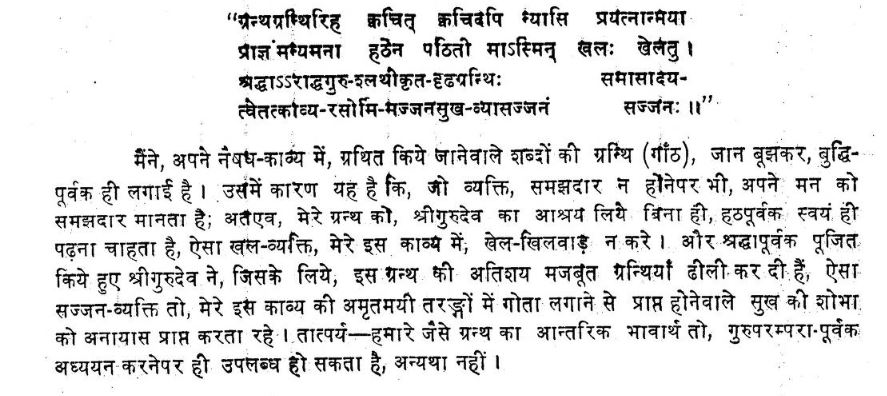
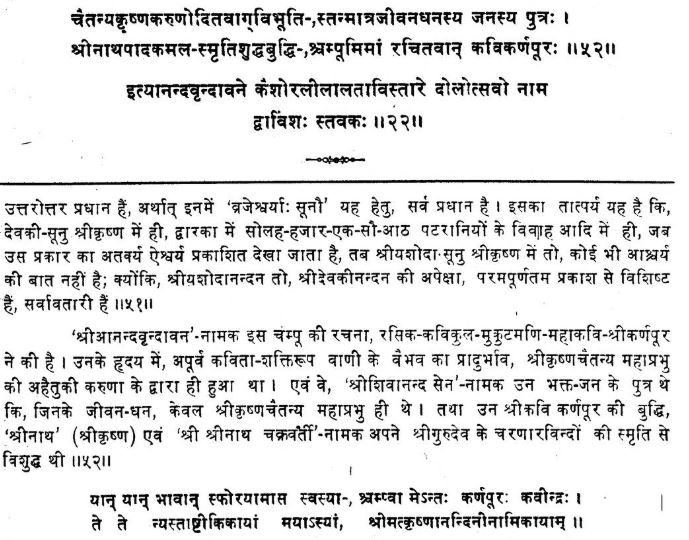
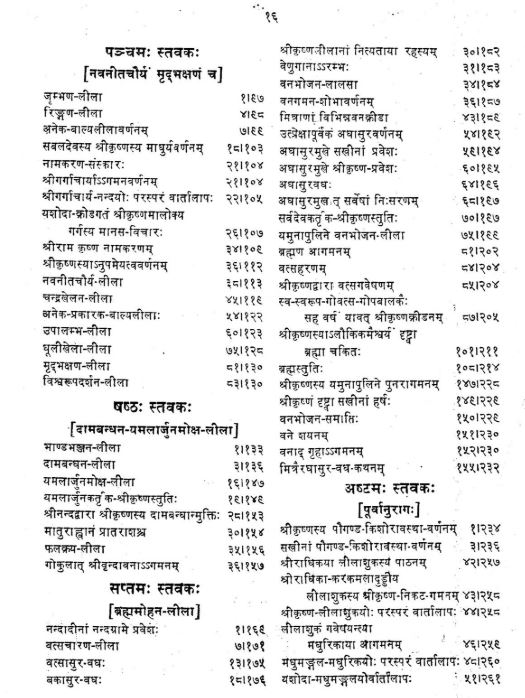
  • Ananda Vrindavana Campu (Poetic work on Vrindavan)

    Author: Kavi Karnapura

    • A Lush and Vivid Poetic Depiction of Vrindavan: The Campu offers an extraordinarily rich and imaginative poetic portrayal of the transcendental land of Vrindavan. Through elaborate descriptions and evocative language, Kavi Karnapura brings to life the beauty, serenity, and spiritual atmosphere of Krishna’s sacred abode.
    • Focus on the Daily Pastimes of Radha and Krishna: The work intricately weaves together the daily pastimes (lila) of Radha and Krishna within the forests, groves, and along the banks of the Yamuna in Vrindavan. It captures the intimate details of their interactions with the gopis and gopas, highlighting the sweetness and joy of their eternal activities.
    • Integration of Diverse Poetic Styles and Meters: Ananda-Vrindavana-Campu is renowned for its masterful use of various Sanskrit poetic styles and meters. Kavi Karnapura’s literary skill shines through in the lyrical flow and rhythmic beauty of the verses, creating a captivating reading experience.
    • Emphasis on the Blissful and Joyful Nature of Vrindavan: The title itself, “The Blissful Forest of Vrindavan,” underscores the central theme of joy (ananda). The Campu emphasizes the inherent bliss and spiritual ecstasy that permeate Vrindavan and the pastimes enacted there. It aims to immerse the reader in this atmosphere of divine happiness.
    • A Significant Contribution to Gaudiya Vaishnava Literature: As a prominent work by a direct disciple of Sri Chaitanya Mahaprabhu, Ananda-Vrindavana-Campu holds significant importance in Gaudiya Vaishnava literature. It provides a deeply devotional and poetically sophisticated understanding of Vrindavan and the eternal love between Radha and Krishna, influencing subsequent generations of devotees and scholars.
  • Mangalacarana

    Hare Krishna !!

    Sri Guru Pranama
    om ajnana-timirandhasya jnananjana-salakaya
    cakshur unmilitam yena tasmai sri-gurave namah

    When will Srila Rupa Gosvami Prabhupada, who has established within this material world the mission to fulfill the desire of Lord Caitanya, give me shelter under his lotus feet?

    Mangalacarana

    vande ‘ham sri-guroh sri-yuta-pada-kamalam sri-gurun vaishnavams ca
    sri-rupam sagrajatam saha-gana-raghunathanvitam tam sa jivam
    sadvaitam savadhutam parijana-sahitam krishna-caitanya-devam
    sri-radha-krishna-padan saha-gana-lalita- sri-visakhanvitams ca

    I offer my respectful obeisances unto the lotus feet of my spiritual master and of all the other preceptors on the path of devotional service. I offer my respectful obeisances unto all the Vaishnavas and unto the six Gosvamis, including Srila Rupa Gosvami, Srila Sanatana Gosvami, Raghunatha dasa Gosvami, Jiva Gosvami, and their associates. I offer my respectful obeisances unto Advaita Acarya Prabhu, Sri Nityananda Prabhu, Sri Caitanya Mahaprabhu, and all His devotees, headed by Srivasa Thakura. I then offer my respectful obeisances unto the lotus feet of Lord Krishna, Srimati Radharani, and all the gopis, headed by Lalita and Visakha.

    Srila Prabhupada Pranati
    nama om vishnu-padaya krishna-preshthaya bhu-tale
    srimate bhaktivedanta-svamin iti namine

    I offer my respectful obeisances unto His Divine Grace A. C. Bhaktivedanta Swami Prabhupada, who is very dear to Lord Krishna, having taken shelter at His lotus feet.
    namas te sarasvate deve gaura-vani-pracarine
    nirvisesha-sunyavadi-pascatya-desa-tarine

    Our respectful obeisances are unto you, O spiritukindly preaching the message of Lord Caitanyadeva and delivering the Western countries, which are filled with impersonalism and voidism.

    Panca-tattva Maha-mantra
    (jaya) sri-krishna-caitanya prabhu nityananda
    sri-advaita gadadhara srivasadi-gaura-bhakta-vrinda

    Maha Mantra
    HARE KRISHNA HARE KRISHNA KRISHNA KRISHNA HARE HARE

    HARE RAMA HARE RAMA RAMA RAMA HARE HARE

    1. Megasthenes wrote a book called Indika, the original of which has not been preserved, but it was quoted extensively by other ancient classical writers whose works are extant.’
    2. According to Arrian, Diodorus, and Strabo, Megasthenes described an Indian tribe called the Sourasenoi, who especially worshiped Herakles in their land, and this land had two great cities, Methora and Kleisobora, and a navigable river, the Jobares. 
    3. Sourasenoi refers to the Shurasenas, a branch of the Yadu dynasty to which Krishna belonged; Herakles to Krishna, or Hari-Krishna; Methora to Mathura, where Krishna was born; Kleisobora to Krishna pura, meaning “the city of Krishna”; and the Jobares to the Yamuna, the famous river in the Krishna story. Quintus Curtius also mentions that when Alexander the Great confronted Porus, Porus’s soldiers were carrying an image of Herakles in their vanguard.
    4. The Buddhist Ghata Jataka text also mentions characters from the Krishna story, albeit in a somewhat garbled fashion, suggesting confused reminiscence of the legend
    5. The earliest archaeological evidence of Krishna as a divine being is the Besnagar, or Heliodorus column in Besnagar, northwest Madhya Pradesh, dated to around 100 B.c.£. The inscription is particularly noteworthy because it reveals that a foreigner had been converted to the Krishna religion by this period— Heliodorus was a Greek. The column, dedicated to Garuda, the eagle carrier of Vishnu and of Krishna, bears an inscription in which Heliodorus calls himself a bhagavata (devotee of Vasudeva Krishna).

    Everything about Krishna

    Please wait for Part 2